
Hydroxyzine pam 25 mg cap: uses, dosing, side effects, interactions, and comparisons
Table of Contents
- What is hydroxyzine pam 25 mg cap?
- How hydroxyzine pam works
- Approved uses and off-label indications
- Dosage and administration
- Onset, duration, and pharmacokinetics
- Side effects and safety considerations
- Drug interactions and contraindications
- Special populations: elderly, pregnancy, children
- Comparison with alternatives
- Practical tips for patients and FAQs
What is hydroxyzine pam 25 mg cap?
For allergy, itching, or anxiety-related information, buy atarax without prescription can point readers to a page with usage guidance, precautions, and ordering details.
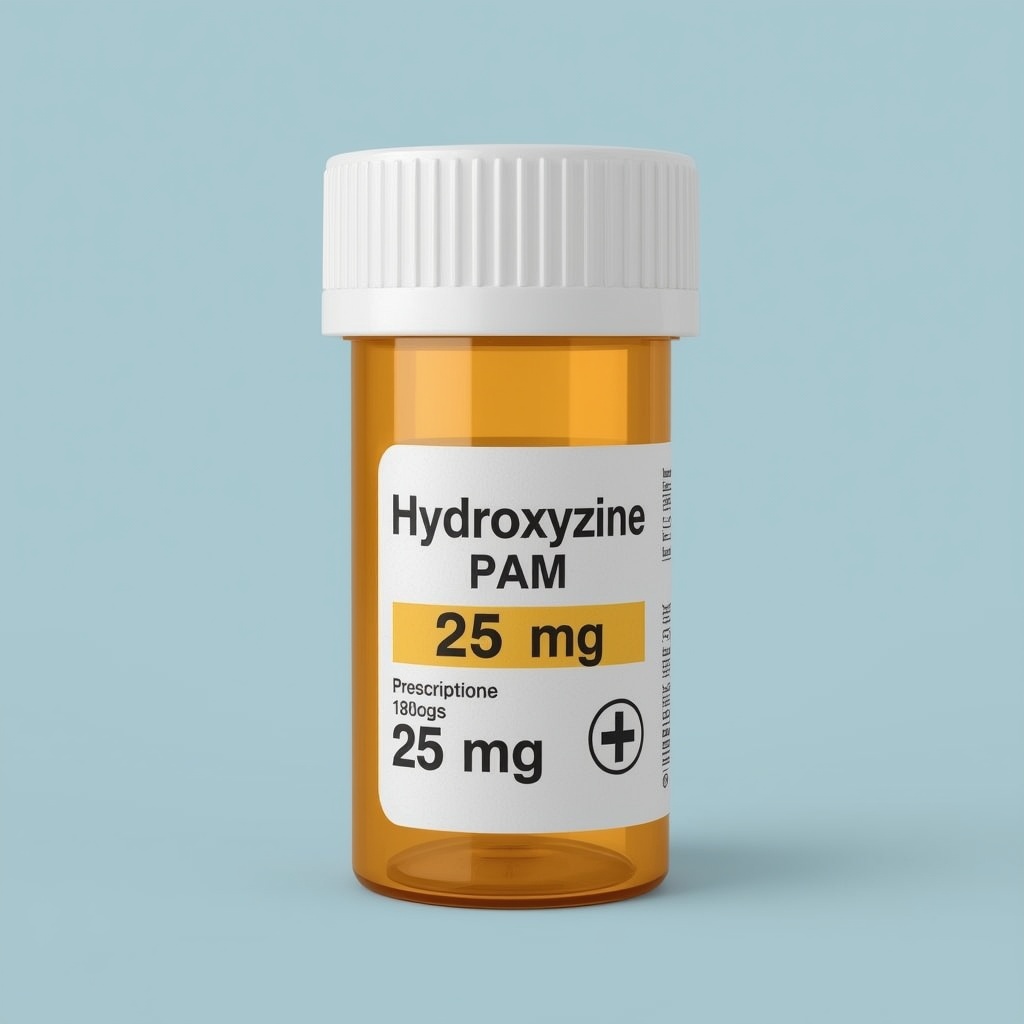
Hydroxyzine pam 25 mg cap refers to hydroxyzine pamoate in a 25-milligram capsule formulation. Hydroxyzine pamoate is a first-generation antihistamine with significant sedative and anxiolytic properties. In clinical practice, the term "hydroxyzine pam" or "hydroxyzine pamoate" differentiates it from hydroxyzine hydrochloride; both are forms of the same active molecule but have slightly different salt forms and pharmacokinetic profiles.
Prescribers often choose hydroxyzine pam 25 mg cap for patients who need short-term relief of anxiety, preoperative sedation, or control of itching due to allergic conditions. Because it crosses the blood-brain barrier, it produces central nervous system effects including drowsiness, which can be leveraged therapeutically but also requires caution for activities like driving.
How hydroxyzine pam works
Hydroxyzine pam 25 mg cap works primarily by blocking histamine H1 receptors, which reduces allergic symptoms such as itching, hives, and sneezing. Beyond peripheral antihistamine action, hydroxyzine has strong central nervous system effects — it antagonizes H1 receptors in the brain and has antiemetic and anxiolytic effects through interaction with other receptor systems.
The anxiolytic and sedative effects are useful in treating acute anxiety and agitation. Hydroxyzine also has anticholinergic activity, which contributes to dry mouth and decreased secretions. Because of its multi-receptor activity, hydroxyzine pam 25 mg cap can be an effective, non-controlled alternative to benzodiazepines for short-term anxiety management, although it lacks the same rapid calming action some benzodiazepines provide.
Approved uses and off-label indications
Hydroxyzine pam 25 mg cap is commonly prescribed for several FDA-approved and off-label purposes. Approved indications include symptomatic relief of anxiety and tension related to psychoneurosis and as a sedative adjunct in pre- and post-operative settings. It’s also indicated for control of pruritus due to allergic conditions.
Off-label uses often include short-term treatment of insomnia and as an adjunct for alcohol withdrawal, where its sedative and anxiolytic properties can help manage agitation. Dermatologists and allergists frequently use hydroxyzine pam 25 mg cap to treat chronic itching when topical therapies and other antihistamines are inadequate.
Dosage and administration
Typical adult dosing for hydroxyzine pam 25 mg cap varies by indication. For anxiety or tension, standard doses range from 25 mg three to four times daily, titrated to symptom relief and tolerability. For pruritus, doses often fall between 25 mg and 50 mg two to four times daily depending on severity. Preoperative sedation may use a single 25–100 mg dose given one hour before surgery, based on clinical judgment.
Important administration points: take capsules with a glass of water, avoid alcohol or other sedative-hypnotics while on hydroxyzine pam 25 mg cap, and do not abruptly stop if used long-term without consulting a clinician. Always follow your prescriber's directions. Below is a simple dosing reference chart for adults—individual adjustments are common.
| Indication | Typical Adult Dose | Frequency |
|---|---|---|
| Anxiety/Tension | 25–50 mg | 3–4 times daily |
| Pruritus (itch) | 25–50 mg | 2–4 times daily |
| Preoperative Sedation | 25–100 mg | Single dose 1 hour before |
Onset, duration, and pharmacokinetics
After oral administration, hydroxyzine pam 25 mg cap is absorbed and begins to exert sedative effects within 15–30 minutes for many patients, with peak plasma levels typically reached within 2 hours. Duration of effect commonly lasts 4–6 hours, though sedative effects can persist longer in sensitive individuals or when combined with other CNS depressants.
Hydroxyzine is metabolized in the liver to cetirizine (a less sedating second-generation antihistamine) and other metabolites. The elimination half-life of hydroxyzine pamoate in adults ranges from about 7 to 20 hours depending on age, liver function, and other factors. Reduced hepatic or renal function can prolong exposure and increase risk of side effects, so dose adjustments may be needed.
Side effects and safety considerations
Like all medications, hydroxyzine pam 25 mg cap can cause adverse effects. Common side effects include drowsiness, dry mouth, headache, and dizziness. Anticholinergic effects (blurred vision, constipation, urinary retention) are possible, particularly at higher doses. Because of sedation, hydroxyzine can impair psychomotor performance; patients should avoid driving or operating heavy machinery until they know how the drug affects them.
Less common but serious effects include paradoxical excitation (especially in children and the elderly), QT prolongation when combined with other QT-prolonging drugs, and severe allergic reactions. If symptoms like irregular heartbeat, fainting, severe rash, or difficulty breathing occur, seek medical attention immediately. Always discuss the full medication list with your provider to reduce risks.
Drug interactions and contraindications
Hydroxyzine pam 25 mg cap can interact with a variety of medications. Additive central nervous system depression occurs with alcohol, opioids, benzodiazepines, antipsychotics, and certain sleep agents—these combinations increase sedation and respiratory depression risk. Hydroxyzine may also interact with other anticholinergic drugs to intensify side effects.
Some drugs that prolong the QT interval (e.g., certain antiarrhythmics, macrolide antibiotics, antipsychotics) may increase cardiac risk when used with hydroxyzine. Contraindications include known hypersensitivity to hydroxyzine or related compounds, and caution is warranted in patients with severe cardiac disease or significant hepatic dysfunction. Consult a clinician before combining hydroxyzine pam 25 mg cap with other prescription or over-the-counter medicines.
Special populations: elderly, pregnancy, children
Elderly patients are more susceptible to the sedative and anticholinergic effects of hydroxyzine pam 25 mg cap. Start at lower doses and monitor for confusion, falls, and urinary retention. In pediatric use, dosing must be carefully adjusted; paradoxical excitability can occur in children, so close monitoring is essential.
Regarding pregnancy and breastfeeding: hydroxyzine crosses the placenta and is present in breast milk. It should be used during pregnancy only if the potential benefit justifies the potential risk to the fetus—discuss options with an obstetric provider. For breastfeeding mothers, alternative treatments or timing doses to minimize infant exposure may be considered under medical guidance.
Comparison with alternatives
When choosing an antihistamine or anxiolytic, hydroxyzine pam 25 mg cap is often weighed against options like hydroxyzine hydrochloride, diphenhydramine, cetirizine, and prescription anxiolytics (e.g., benzodiazepines). Key distinctions include onset, duration, sedative intensity, and abuse potential. Below is a comparative table to clarify differences.
| Drug | Typical Use | Sedation | Abuse Potential |
|---|---|---|---|
| Hydroxyzine pamoate (25 mg) | Anxiety, pruritus, sedation | Moderate-High | Low |
| Hydroxyzine HCl | Similar indications | Moderate-High | Low |
| Diphenhydramine | Allergy, sleep aid | High | Low |
| Cetirizine/Loratadine | Allergic rhinitis | Low | Low |
| Benzodiazepines | Anxiety, insomnia | High | High |
Practical tips for patients and FAQs
If you’ve been prescribed hydroxyzine pam 25 mg cap, the following practical tips can help maximize benefit and reduce risk:
- Start with the lowest effective dose and avoid alcohol or other sedatives while taking it.
- Take doses at the times of day when drowsiness will be least disruptive (e.g., bedtime for insomnia).
- Keep a medication list and review it with your prescriber to prevent dangerous interactions.
- If you experience severe side effects (palpitations, fainting, severe rash), stop the medication and seek immediate care.
Common patient questions:
- Can hydroxyzine pam 25 mg cap be used long-term? Long-term use may be appropriate in some conditions but requires periodic reassessment due to side effects and diminishing benefits.
- Is hydroxyzine addictive? No—hydroxyzine is not a controlled substance and has low abuse potential, but physical dependence is possible with prolonged use of sedatives in general.
- How does it compare to cetirizine? Cetirizine is a second-generation antihistamine with minimal sedation; hydroxyzine is more sedating and better for anxiety or sleep-related uses.
Before starting or stopping hydroxyzine pam 25 mg cap, consult your healthcare provider for personalized advice. Medication decisions should factor in your medical history, current medications, and treatment goals.
FAQ
What is hydroxyzine pamoate 25 mg capsule and how is it used
Hydroxyzine pamoate 25 mg capsule is an oral formulation of hydroxyzine, a first-generation antihistamine with sedative and anxiolytic properties; it’s commonly prescribed for short-term relief of anxiety, to help with sleep, and to control itching from allergic reactions under a clinician’s guidance.
How does hydroxyzine pamoate work in the body
Hydroxyzine blocks histamine H1 receptors in the brain and peripheral tissues and has additional suppression of certain central nervous system pathways, which produces sedation, reduces anxiety, and decreases itching.
What are the most common side effects of hydroxyzine pamoate 25 mg
Common side effects include drowsiness, dry mouth, dizziness, headache, and blurred vision; these are dose-dependent and usually more pronounced when starting the medication or when combined with other sedating substances.
How quickly does a 25 mg dose typically take effect and how long does it last
Onset of noticeable effects is usually within 15–30 minutes orally, with peak effects around 2 hours and typical duration of sedation or symptom relief lasting 4–6 hours, though individual response varies.
What are the usual dosing parameters for adults using hydroxyzine pamoate 25 mg
Dosing depends on the indication: many clinicians start with 25 mg once or twice daily for anxiety or itching and may adjust based on response; total daily doses often range from 25–100 mg for adults, but follow a prescriber’s instructions.
Can children take hydroxyzine pamoate 25 mg capsules
Pediatric dosing is weight-based and varies by indication; because the 25 mg capsule may be too high for small children, caregivers should follow pediatric prescribing guidance and consult a pediatrician before use.
Is hydroxyzine pamoate 25 mg safe during pregnancy or breastfeeding
Hydroxyzine is generally avoided in pregnancy unless the benefits outweigh risks and should be discussed with a provider; it can pass into breast milk, so breastfeeding mothers should consult their clinician before using it.
Who should avoid taking hydroxyzine pamoate 25 mg
People with severe liver disease, marked sedation from other drugs, untreated narrow-angle glaucoma, urinary retention, known allergy to hydroxyzine, or those taking certain interacting medications should use caution and consult a prescriber.
Can hydroxyzine pamoate increase the risk of falling or accidents
Yes — because hydroxyzine causes sedation and dizziness, it increases the risk of falls and accidents, especially in older adults; avoid driving or operating machinery until you know how it affects you.
Are there serious risks like heart effects with hydroxyzine pamoate 25 mg
Hydroxyzine can prolong the QT interval in certain patients or when combined with other QT-prolonging drugs; people with known heart rhythm issues or on multiple interacting medications should be evaluated by a clinician.
What common drugs interact with hydroxyzine pamoate 25 mg
Interactions include other CNS depressants (alcohol, opioids, benzodiazepines), certain antidepressants and antipsychotics that affect QT interval, and strong CYP inhibitors that may increase hydroxyzine levels; always review your medication list with a prescriber.
Can I drink alcohol while taking hydroxyzine pamoate 25 mg
Alcohol and hydroxyzine both depress the central nervous system; combining them can lead to excessive sedation, impaired coordination, respiratory depression, and is generally advised against.
What should I do if I miss a dose of hydroxyzine pamoate 25 mg
If you miss a dose, take it when you remember unless it’s almost time for your next dose; do not double doses to catch up—follow your prescriber’s instructions.
How long can someone safely take hydroxyzine pamoate 25 mg
Duration depends on the indication; short-term use is common for acute anxiety or pruritus, while some clinicians prescribe it intermittently or for longer periods when benefits outweigh risks; regular review with a prescriber is important.
Can hydroxyzine pamoate cause dependence or withdrawal
Hydroxyzine is not a controlled substance and is not known to cause classic physiological dependence like benzodiazepines, but stopping after prolonged heavy use may lead to return of underlying symptoms; tapering might be advised for long-term use.
What should I tell my clinician before starting hydroxyzine pamoate 25 mg
Inform your clinician about all medications, alcohol or substance use, medical history (especially heart disease, liver disease, glaucoma, urinary retention, pregnancy), and any previous reactions to antihistamines.
How is hydroxyzine pamoate 25 mg capsule stored
Store at room temperature away from moisture and heat, in its original container and out of reach of children; follow storage instructions on the package or from the pharmacy.
What should I do in case of an overdose of hydroxyzine pamoate 25 mg
Seek emergency medical help or call your local poison control center; symptoms of overdose can include extreme drowsiness, confusion, fast heart rate, seizures, and difficulty breathing.
Does insurance typically cover hydroxyzine pamoate 25 mg capsules
Coverage varies by insurer and prescription reason; generic hydroxyzine pamoate is often inexpensive and covered, but check your plan or pharmacy for specific copay and formulary information.
How does hydroxyzine pamoate 25 mg compare to hydroxyzine hydrochloride
Hydroxyzine pamoate and hydroxyzine hydrochloride are salt forms of the same active drug and have similar effects; formulations differ by brand names and may have slight differences in onset or tolerability, but therapeutic effects are comparable.
How does hydroxyzine pamoate 25 mg compare to diphenhydramine (Benadryl)
Both are sedating antihistamines; hydroxyzine is often preferred for anxiety and longer-lasting sedation in clinical settings, while diphenhydramine is commonly used OTC for short-term allergy relief and may wear off sooner.
How does hydroxyzine pamoate 25 mg compare to benzodiazepines for anxiety
Benzodiazepines act faster and are more potent anxiolytics but carry higher risks of dependence and tolerance; hydroxyzine can be a non-controlled alternative for short-term anxiety relief with less abuse potential but different side effects like anticholinergic effects and sedation.
How does hydroxyzine pamoate 25 mg compare to SSRIs for treating anxiety
SSRIs are typically used for long-term treatment of generalized anxiety disorders and work over weeks with different side-effect profiles; hydroxyzine provides short-term symptomatic relief rather than long-term anxiety control and is not a substitute for SSRIs when chronic management is needed.
How does hydroxyzine pamoate 25 mg compare to promethazine for nausea and sedation
Both are first-generation antihistamines with sedative effects; promethazine is often used specifically for nausea and motion sickness, while hydroxyzine is commonly chosen for anxiety, pruritus, and as a sedative adjunct — choice depends on the clinical indication and side-effect considerations.
How does hydroxyzine pamoate 25 mg compare to cetirizine or loratadine (non-sedating antihistamines)
Cetirizine and loratadine are second-generation antihistamines with much less sedation and are preferred for daytime allergy relief; hydroxyzine is sedating and better suited when itch control plus sedation or anxiety relief is needed.
How does hydroxyzine pamoate 25 mg compare to trazodone for sleep
Trazodone is an antidepressant sometimes used off-label for sleep with different pharmacology and side effects; hydroxyzine can be used for short-term sleep aid due to sedation, but trazodone may be preferred for chronic insomnia under clinician supervision depending on the case.
How does hydroxyzine pamoate 25 mg compare to melatonin for sleep
Melatonin is a hormonal supplement that helps regulate circadian rhythm and is generally mild and well-tolerated for sleep-phase issues; hydroxyzine produces stronger sedation and may be used for acute insomnia, but carries more anticholinergic side effects.
How does hydroxyzine pamoate 25 mg compare to opioids or combining them
Hydroxyzine should not be combined with opioids without strict medical oversight because the combination greatly increases sedation, respiratory depression, and overdose risk; prescribers generally avoid or closely monitor such combinations.
How does hydroxyzine pamoate 25 mg compare to hydroxyzine 50 mg or higher doses
Higher doses produce stronger sedation, more pronounced anticholinergic effects, and increased side-effect risk; 25 mg is often used as a starting or maintenance dose, while higher doses are reserved for greater symptom control under supervision.
How does the capsule form of hydroxyzine pamoate 25 mg compare to liquid or tablet forms
Capsules provide a fixed dose and convenience; liquid forms allow easier pediatric dosing and dose adjustments, while tablets offer similar effects—choice depends on patient preference, swallowing ability, and dosing flexibility.
How does hydroxyzine pamoate 25 mg compare to topical antihistamines or creams for itching
Topical antihistamines deliver local relief with fewer systemic effects; hydroxyzine pamoate treats generalized or severe itching and can help with sleep-disrupting pruritus but has systemic side effects versus localized topical therapy.
Is hydroxyzine pamoate 25 mg interchangeable with brand names like Vistaril or Atarax
Vistaril is a brand for hydroxyzine pamoate and Atarax is hydroxyzine hydrochloride; while both are hydroxyzine formulations and often used interchangeably by clinicians, brand or salt-form substitution should be confirmed with the prescriber or pharmacist.
Can hydroxyzine pamoate 25 mg be crushed or split if swallowing is difficult
Crushing or opening capsules may change absorption and is not recommended without consulting a pharmacist; if swallowing is a problem, ask the prescriber for an appropriate liquid formulation or alternative.
How long after stopping hydroxyzine pamoate 25 mg should I avoid driving
Avoid driving or operating machinery until you have been off the medication long enough to no longer feel drowsy or impaired; this timeframe varies by person and depends on dose and co-administered substances—ask your prescriber for personalized guidance.
Is the information here a substitute for medical advice
No — this FAQ provides general information; decisions about taking hydroxyzine pamoate 25 mg should be made with a licensed healthcare provider who knows your medical history and current medications.